AI adoption at work is rising. Access to learning is not keeping up.
That is the uncomfortable finding in PwC’s new 2026 Global Workforce Hopes and Fears Survey, released September 29 after surveying nearly 50,000 workers across 48 countries and 29 sectors. PwC says AI use has risen by 10 percentage points, while access to learning and development resources has fallen.
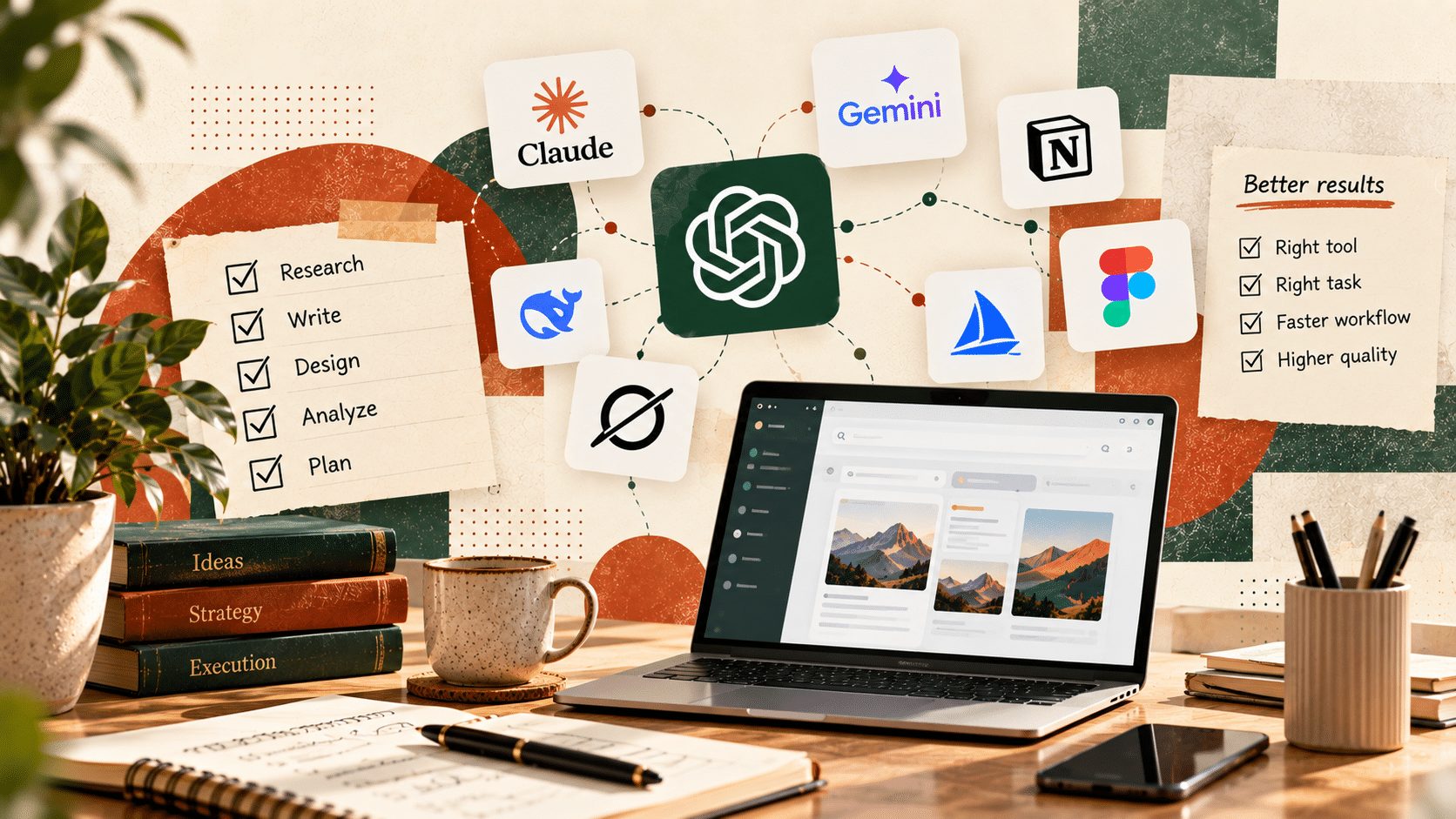
For an individual worker, the useful question is not whether your company has an AI strategy. It is are you getting better at a piece of work that AI is changing?
Try this instead of “learn AI”
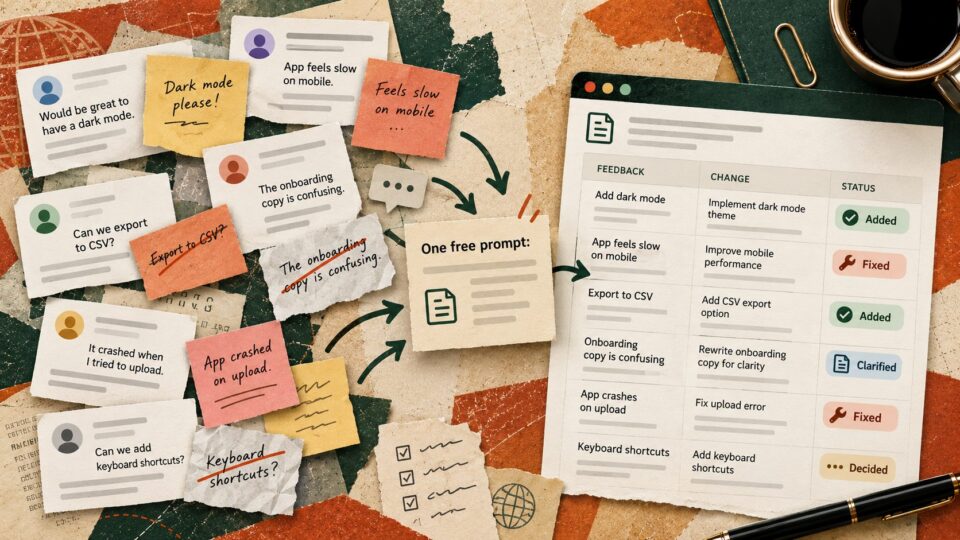
Pick one recurring task → improve it with AI → save the workflow → measure what changed → teach it to someone else.
Why generic AI learning is becoming less useful
Watching another prompt tutorial can feel productive without changing how you work. A better unit of learning is a real task you already own preparing a client update, analysing a spreadsheet, researching a prospect, writing a brief, documenting a process or reviewing a meeting.
That gives you something tutorials rarely do a before-and-after comparison.
Build one AI skill loop this week
1. Pick a task you repeat
Choose something you do at least weekly. Avoid starting with the most important or sensitive task in your role. You want enough repetition to learn quickly and low enough risk to experiment.
2. Write down the current process
Before adding AI, list the steps. Where do you search? Where do you copy information? Where do you make a judgement? Where do you lose time?
3. Give AI one job, not the whole workflow
Start with the repetitive part summarising source material, creating a first draft, categorising responses, checking consistency or turning notes into a structured format.
4. Add a review rule
Define what you will always check yourself. For example every number against the source, every external claim, every recommendation before it reaches a client, or every row flagged as uncertain.
5. Save the workflow
Keep the prompt, source requirements, review checklist and final format together. You are building a reusable work asset rather than collecting prompt snippets.
6. Measure one thing
Time saved is useful, but it is not the only measure. Track fewer revisions, fewer missed details, faster turnaround, better consistency or the ability to handle a task you previously avoided.
Use this prompt to find your next AI skill
Copy this
Act as a workflow coach. My role is [role].
These are the recurring tasks I handle each week [list them].
Rank them by
1. repetition
2. time spent
3. how easy the output is for me to verify
4. risk if AI makes a mistake
Recommend ONE task to improve first with AI. Break it into human steps and AI-assisted steps. Give me a reusable prompt, the inputs I need, a review checklist and one metric I can track for the next four weeks.
Do not recommend automating a task if human judgement is the main value.
Do not automate the part that makes you valuable
If your role depends on judgement, trust, negotiation, context or accountability, use AI around that work rather than handing the centre of it away. Let it prepare information, expose gaps, generate options and remove administrative friction. Keep the consequential call.
Make your learning visible
Once the workflow works, document it in one page and show a colleague. Teaching forces you to distinguish between a lucky prompt and a repeatable process. It also turns personal experimentation into something your team can reuse.
A four-week plan
Week 1 map one task and create the first assisted workflow.
Week 2 run it three times and note failures.
Week 3 tighten the prompt and review checklist.
Week 4 compare the result with your original process and decide whether to keep, change or discard it.
Make the four weeks produce evidence
Do not finish the month with only a list of tools you tried. Keep one before-and-after example from each week the original task, the AI-assisted workflow, time taken, corrections required and what you would change next time. By week four you should have a small portfolio of repeatable methods rather than a collection of prompts.
That evidence also makes the learning portable. When a new model or tool arrives, you can rerun a real task against it instead of starting another round of random experimentation.
The point
The workplace may be splitting between people with very different levels of AI access and confidence. You cannot control every training programme your employer offers. You can make your own learning more concrete.
Do not set a goal to “get better at AI.” Set a goal to become measurably better at one piece of your actual job.
Sources
PwC – Global Workforce Hopes and Fears Survey 2026, September 29, 2026