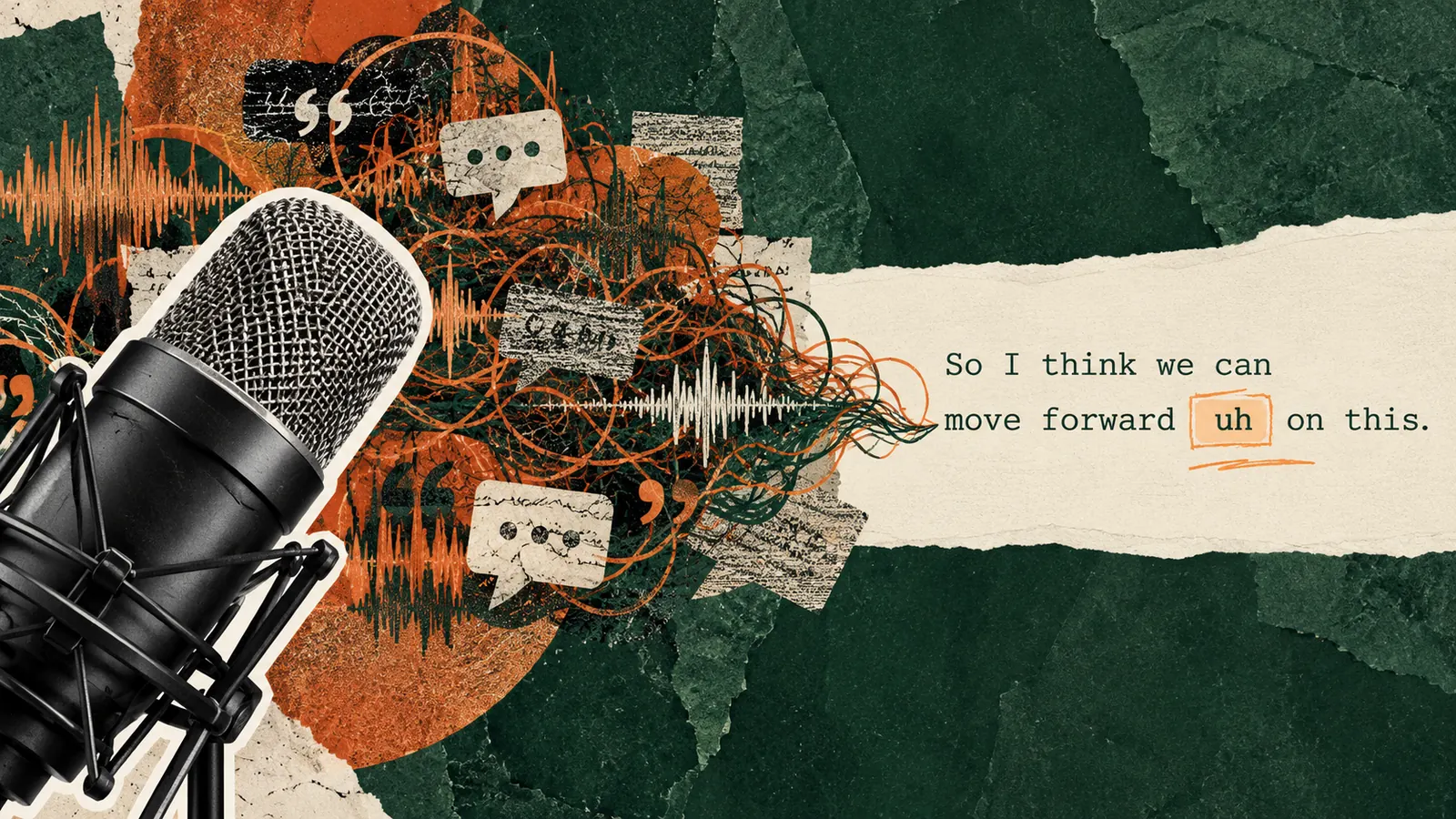
AI transcription looks solved when the demo uses one clear speaker and a quiet microphone. Real work rarely sounds like that.
Calls have interruptions. Meeting rooms have people talking over each other. Interviews happen in cafés. Accents change, names are unfamiliar and half the useful conversation happens while somebody is moving away from the microphone.
xAI released Grok Voice Transcribe 2.0 on September 18, saying the new speech-to-text model improves accuracy while keeping the same pricing as its previous version. The company is specifically positioning it for noisy, real-world audio, including calls and multilingual speech.
Why messy audio is the real test
Transcription tools already save people from typing notes manually. Their hidden cost appears when somebody has to replay the recording because names, numbers or speakers were captured incorrectly.
Better handling of noise and multiple speakers can therefore matter more than a flashy new interface. If the transcript becomes reliable enough to search, summarize and turn into actions, the recording stops being an archive and becomes working material.
Where this can save ordinary teams time
Recruiters can turn interviews into structured notes. Sales teams can capture objections and follow-ups from customer calls. Researchers can search long interviews. Project teams can produce a first pass of decisions and actions after meetings. People working across languages can retain a searchable record without manually translating every exchange.
The useful workflow is not simply record → transcript. It is record → transcript → verify the important details → extract the next piece of work.
Do not outsource the important listening
A cleaner transcript does not make every sentence correct. Names, figures, technical terms and statements that affect a decision still deserve verification against the audio.
There is also a privacy question. Before uploading a meeting or call, check whether everyone involved can be recorded and whether the service is appropriate for confidential material. The convenience of searchable audio does not remove the obligations around the conversation itself.
A practical test
Take one recurring meeting where somebody currently spends time producing notes. Use transcription for three meetings and measure two things how long it takes to correct the transcript, and how long it takes to produce the final actions.
If correction becomes another large task, the workflow is not saving enough time yet. If the transcript gets you quickly to a reliable action list, you have found a practical use.
Turn the transcript into a work product
Once the transcript is reliable enough, do not stop at a summary. Ask for decisions, action owners, deadlines, unanswered questions and any statement that needs verification. Keep those categories separate so a tentative comment does not accidentally become a commitment. This is where better transcription becomes genuinely useful it shortens the distance between a messy conversation and the next piece of work.
The everyday takeaway
Speech AI is becoming interesting not because it can transcribe speech, but because it is getting closer to handling the imperfect conditions in which people actually speak.
That opens a simple opportunity stop treating every recording as something somebody has to revisit from the beginning. Let AI create the searchable first layer, then spend human attention on the decisions, commitments and details that matter.
Quick answers
Should I trust an AI transcript without checking it?
Not for consequential details. Verify names, figures, commitments and anything that will drive a decision.
What is a good first use?
A recurring internal meeting or interview where you already spend time turning audio into notes and actions.
Sources
xAI, Grok Voice Transcribe 2.0, September 18, 2026