AI at work is usually sold as a productivity story. California has supplied the other half what happens when software starts influencing decisions about workers.
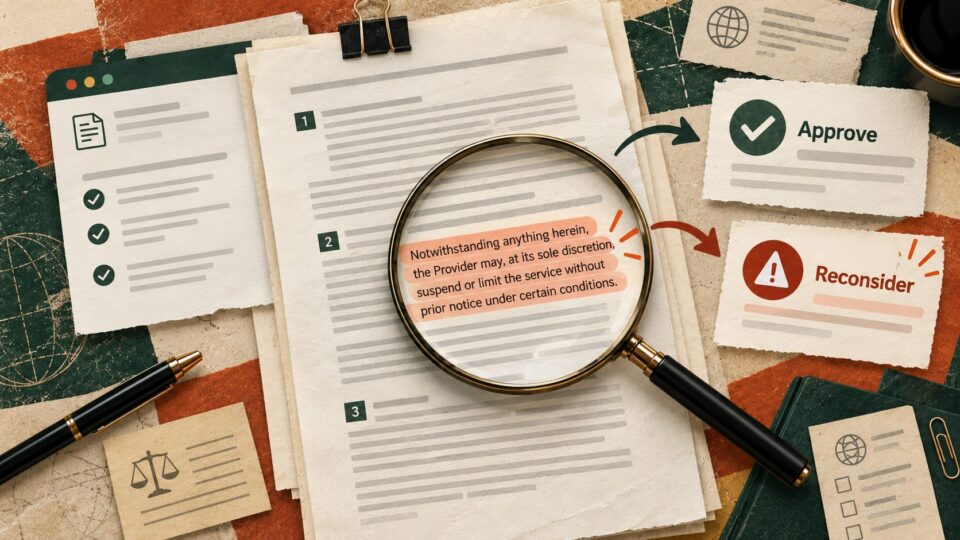
On September 30, Governor Gavin Newsom signed a package of workplace protections covering AI, automated technology and workplace surveillance. Among the clearest changes, employers cannot rely only on AI for disciplinary or termination decisions. The state also added transparency requirements around AI-related mass layoffs and new limits on workplace surveillance.
The laws are California-specific. The useful question travels much further what is your workplace AI observing, inferring, recommending and deciding?
Run the four-question check
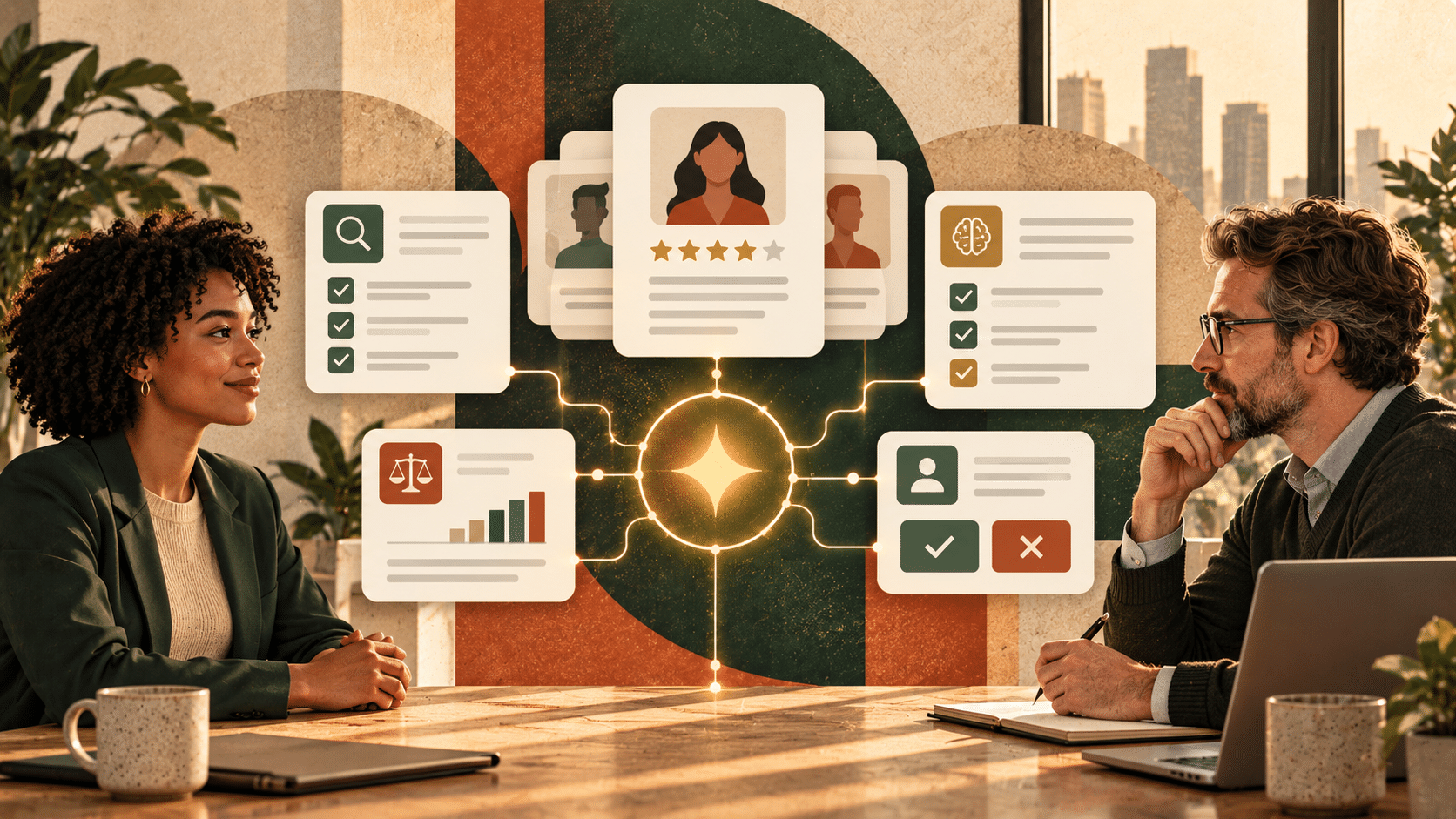
Observe what data is collected? Infer what does the system claim to know from it? Decide can the output affect scheduling, performance, hiring or discipline? Appeal can a person challenge the result?
Those four questions separate a genuinely useful workplace tool from a black box. A meeting summariser may observe speech and produce notes. A performance system may observe activity, infer productivity and influence a manager. The second system deserves much more scrutiny.
For employees
When a new AI tool appears, ask what information it uses and whether its output is advisory or decision-making. Find out whether the system is analysing work product, communications, behavioural signals or metadata such as activity times. A tool summarising a document is a very different proposition from a system producing a score about a person.
Also ask what happens when the system is wrong. Is there a person who can see the underlying evidence? Can an employee correct inaccurate data? Does the output stay inside a team or enter a permanent employment record?
For managers
Do not buy an AI feature merely because a dashboard produces a score. Ask whether the underlying signal is relevant, explainable and appropriate for the decision you intend to make.
A useful procurement question is would we be comfortable making this decision if the employee could see exactly how the score was produced? If the answer is no, the problem may be the decision process rather than the interface.
Separate assistance from authority
AI can help organise evidence, surface patterns and prepare a manager for a conversation. That does not mean it should become the final authority on performance, discipline or termination. The more consequential the outcome, the more important it is to preserve context and a clear human decision-maker.
List every employee data point this tool collects, every inference or score it creates, every decision it can influence, how long data is retained, who can access it, and where a human can review or override the output. Flag any sensitive inference that is not necessary for the stated job. Then give me five questions the vendor must answer before deployment.
Make the policy readable
A workplace AI policy should not require employees to decode technical documentation. For every system, document what it sees, what it produces, what it can influence, who reviews it and how someone can challenge an error. That one-page explanation is also a useful test of whether the organisation understands the system it has deployed.
One practical test for existing tools
Choose one AI-enabled system already used by your team and trace a single output backwards. Can you identify the source data, the inference the system made, who saw the result and whether anyone could override it? If that chain is unclear, document it before adding another automated decision. Governance becomes much easier when it is attached to a real workflow rather than a generic policy.
What to document before a system becomes normal
For each workplace AI system, keep a short record of its purpose, the data it can access, the outputs it creates, who sees those outputs and which employment decisions they can influence. Add the person responsible for reviewing errors and the route an employee can use to question a result.
This does not need to become a large compliance exercise to be useful. The act of writing the workflow down often exposes the uncomfortable part a score no one can explain, a data source that is broader than the task requires, or a recommendation that has quietly become a decision.
Revisit the record when the vendor adds a new feature. AI products change quickly, and a system initially approved for summarisation may later gain scoring, monitoring or automated-action capabilities that deserve a fresh review.
Human boundary
Employment decisions deserve an accountable person who can examine context, explain the decision and challenge an automated recommendation. AI can assist the process. Accountability should not disappear into the software.
Sources
Governor of California – workplace AI protections, September 30, 2026